Choosing between used and new Dodge Ram parts is not simply a question of price. The best option depends on the part, the truck’s purpose, availability, condition, and the amount of work required to install it. A used OEM body panel may be a better match than a low-quality reproduction, while a new wear item may make more sense than a component with unknown service history. Here is how to make a practical decision.
When a used OEM part makes sense
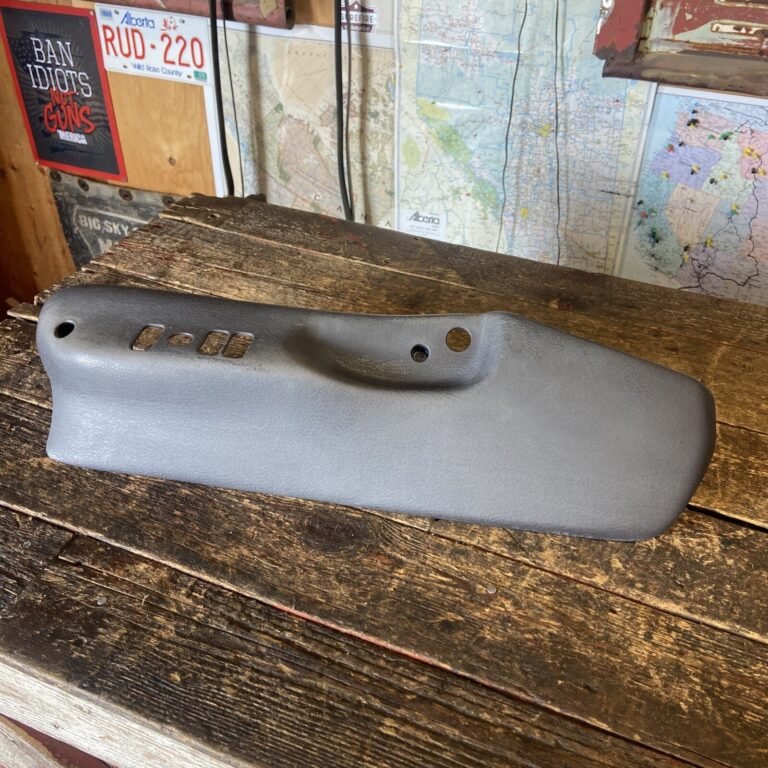
Used OEM parts can be valuable when the original part has a specific connector, mounting pattern, finish, or shape that is difficult to reproduce. Interior trim, body hardware, brackets, factory wheels, wiring harnesses, and some drivetrain components may be good candidates. The important questions are condition, identification, included components, and whether the part is known to fit your exact configuration.
When new is the better choice
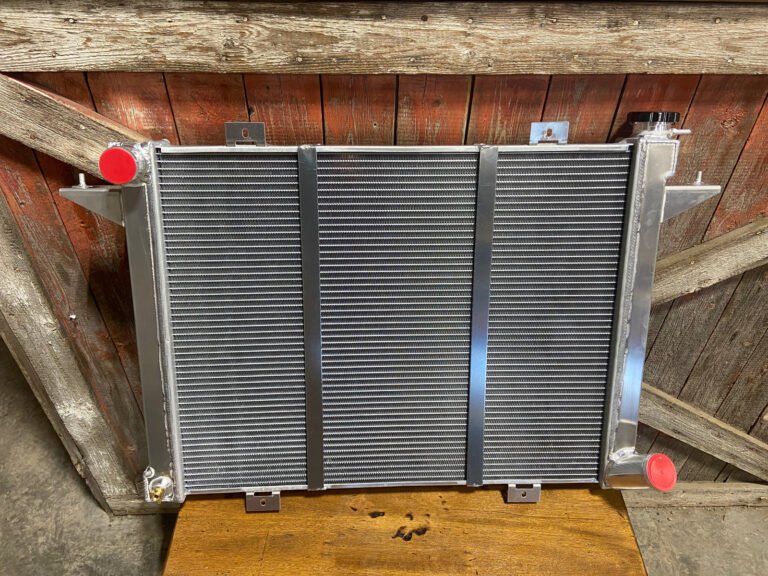
New parts are often preferred for safety-related or high-wear components such as brake service items, seals, belts, hoses, filters, and certain suspension parts. A new part may also be the right choice when the original design has been updated or when a reliable warranty is important. Always compare the supplier, part number, material quality, and warranty rather than assuming every new part is equal.
Rebuilt and refurbished components
Rebuilt or refurbished parts can offer a middle ground. They may be cleaned, inspected, repaired, tested, or supplied with replacement wear components. Ask what work was performed and whether the listing makes a specific testing or guarantee claim. “Refurbished” can mean different things from one seller to another, so read the description and ask questions before purchase.
Consider labor and downtime
A cheaper component is not always cheaper after installation. If access is difficult or the part requires fluid service, programming, calibration, or alignment, a questionable item can cost more if it has to be removed twice. For a daily driver, availability and reliability may be more important than saving a small amount upfront. For a restoration, an original part with the correct details may be worth the extra preparation.
How to compare a listing
Review the photographs, condition notes, part number, compatibility range, included hardware, return requirements, and shipping details. Ask whether the item has been tested when that matters. Compare your old part’s connector, mounting points, dimensions, labels, and casting marks. If a listing does not answer a question that affects fitment, contact the seller before ordering.
Build a balanced parts plan
Many successful truck builds use a mix of new and used parts: new safety and sealing items, used original trim and body pieces, and rebuilt or tested components where availability is limited. Keep a record of what you install, including part numbers and dates, so future maintenance is easier.
2nd Gen Nation organizes parts by generation to make that research easier. Visit the Shop, review the Authenticity & Guarantee page, and contact us with your truck details when you need help deciding between available options.