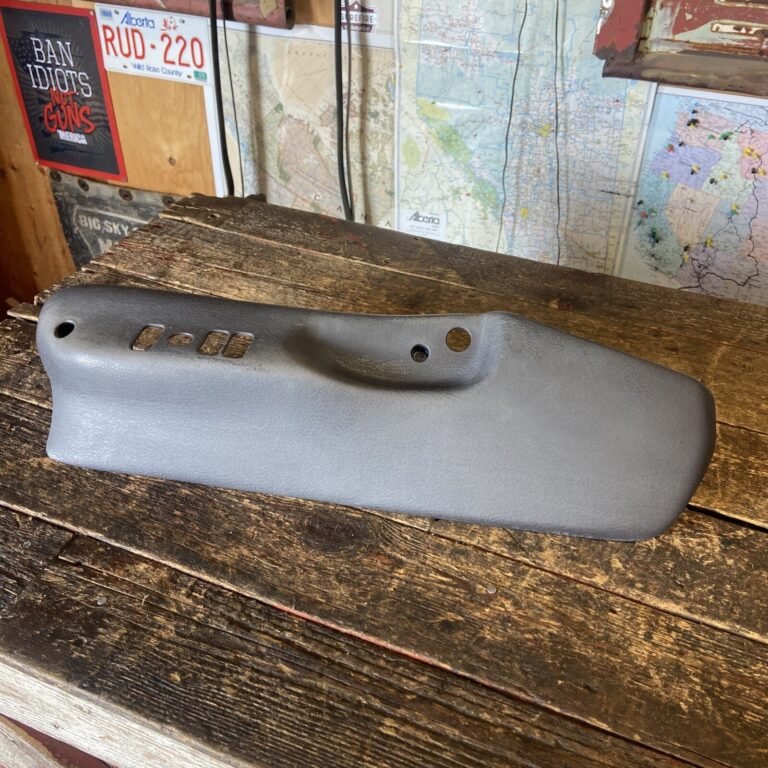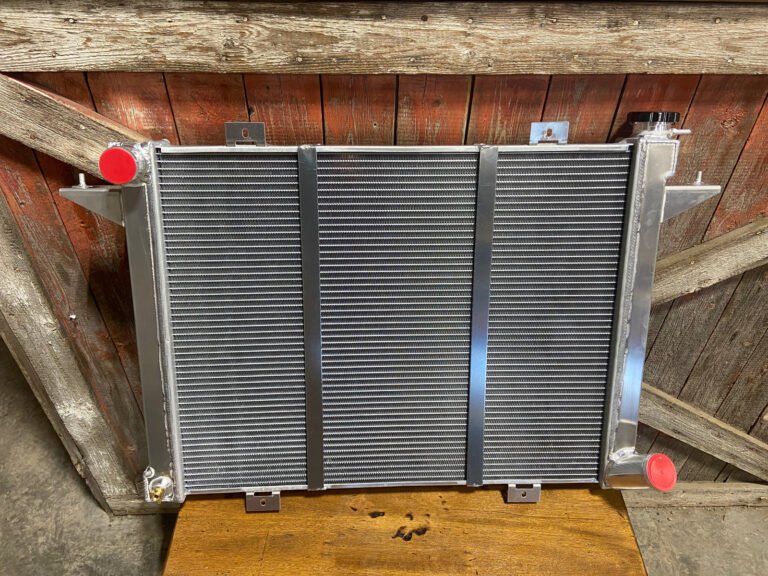
The most common mistake when buying a replacement truck part is assuming that a part fits because the vehicle generation looks correct. Dodge Ram trucks can change significantly within the same generation. A dashboard module, wiring harness, transmission component, body panel, or lighting assembly may depend on details that are not visible in a basic year range. Use this checklist before you buy to improve fitment confidence.
1. Record the complete vehicle details
Write down the model year, generation, engine size, transmission, cab style, bed length, drivetrain, and trim. For example, “2005 Ram 2500” is helpful, but “2005 3rd Gen Ram 2500, 5.9L Cummins, automatic, Quad Cab, 4×4” is much more useful. Some parts also change by two-wheel drive versus four-wheel drive, dually versus single-rear-wheel, or short bed versus long bed.
2. Find the part number or casting mark
Look for labels, stamped numbers, molded plastic markings, casting numbers, connector labels, or an identification tag. Clean the surface gently so the number can be photographed clearly. A part number is not always enough by itself, because superseded numbers and regional variants exist, but it gives you a much stronger starting point than a visual guess.
3. Compare connectors and mounting points
Electrical parts should be compared by connector shape, pin count, wire position, mounting tabs, and module markings. Mechanical parts should be compared by bolt pattern, spline count, shaft length, hose routing, bracket shape, and physical measurements. Two parts may share a name while using different connectors or mounting points. If a listing has detailed photos, compare them side by side with the part removed from your truck.
4. Check the condition language
Read whether the part is new, used, rebuilt, refurbished, tested, or sold for parts. Used truck parts may show normal wear, surface marks, corrosion, or cosmetic variation. Ask about a detail that matters to your repair before ordering rather than assuming it is included. For larger parts, confirm whether brackets, fasteners, sensors, trim pieces, or wiring are included.
5. Ask a focused fitment question
A good question includes the vehicle details, the listing title or link, the original part number, and a photograph of the original part. “Will this fit my truck?” may require several follow-up questions. “I have a 2001 2nd Gen Ram 2500, 5.9L 24-valve, automatic, and my original harness has connector X and part number Y—does this listing match?” gives the seller enough information to help.
6. Plan for professional installation
Some parts require programming, calibration, fluid service, alignment, electrical testing, or specialist tools. A correct part can still fail if installed incorrectly or if the vehicle has an unrelated fault. Ask a qualified technician to inspect the old and replacement parts when safety, steering, braking, fuel, electrical, or drivetrain systems are involved.
2nd Gen Nation organizes inventory by generation and provides support through the Contact page. If you are uncertain, gather the details first and contact us before checkout. Careful fitment research is one of the best ways to protect your time and repair budget.