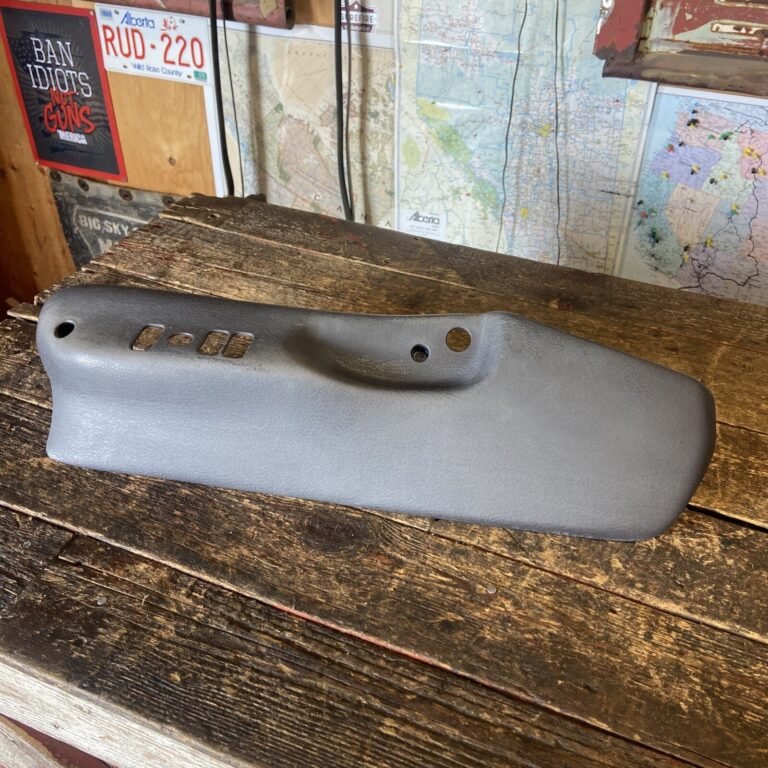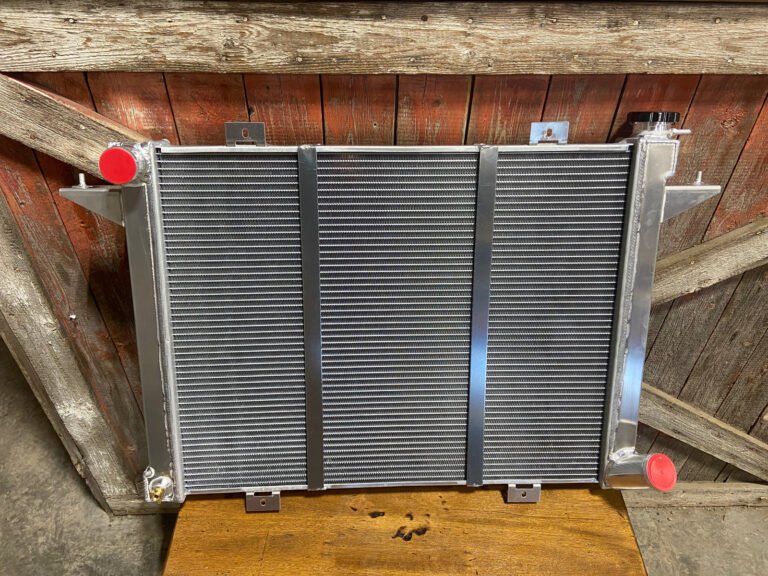
A 2nd Gen Cummins restoration is rarely completed with one large purchase. The best builds usually begin with a careful inspection and a prioritized parts list. The 1994–2002 Dodge Ram platform is durable, but age, weather, previous repairs, and years of heavy use can affect body panels, wiring, cooling systems, interiors, and drivetrain components. Here are ten areas to inspect before spending money on cosmetic upgrades.
1. Frame and mounting points
Inspect the frame, spring mounts, cab mounts, bed mounts, and crossmembers for corrosion, cracks, collision repairs, or unusual distortion. A clean frame is more important than a perfect paint finish. Have a qualified technician inspect structural areas before road use.
2. Rocker panels and cab corners
Rust often begins at the rocker panels, cab corners, wheel arches, and lower door edges. Check under trim and behind weather seals. Replacement rocker panels and patch sections can help a restoration, but the underlying metal must be cleaned and protected so the repair lasts.
3. Cooling system
Inspect the radiator, intercooler, hoses, fan clutch, shroud, overflow bottle, and transmission cooler. Look for leaks, bent fins, oil contamination, and evidence of overheating. Cooling problems can become expensive engine problems, especially when towing or working a diesel truck hard.
4. Fuel system
Check fuel lines, return lines, filters, connections, tank straps, and signs of contamination. On a 12-valve or 24-valve Cummins, inspect for seepage around connections and verify that the fuel system is receiving clean fuel at the correct pressure.
5. Wiring harnesses and grounds
Age, heat, rodents, moisture, and previous modifications can damage wiring. Inspect engine-bay harnesses, grounds, battery cables, fuse panels, and connectors. A replacement harness should be compared by year, engine, transmission, options, connector layout, and part number rather than by appearance alone.
6. Dashboard and interior plastics
Cracked dashboards, broken bezels, worn seat parts, missing switches, and damaged door panels are common restoration targets. Photograph the original mounting points and connector locations before removing interior parts. Small differences between years can affect fitment.
7. Steering and suspension
Check ball joints, tie rods, track bars, control arms, shocks, steering boxes, and wheel bearings. Uneven tire wear or wandering can indicate several issues at once. Repair safety-related components before focusing on appearance.
8. Transmission and transfer case
Look for leaks, delayed engagement, noise, slipping, damaged linkage, and incorrect fluid. Identify whether the truck uses a manual or automatic transmission and verify the transfer-case model before ordering replacement parts.
9. Lighting and body hardware
Inspect headlight doors, tail lights, grille pieces, mirrors, latches, hinges, and weather seals. These items can make a major visual difference and are often easier to replace after the structural work is complete.
10. Brakes and tires
Before a restored truck returns to the road, inspect brake lines, calipers, drums or rotors, wheel cylinders, parking brake cables, tires, and wheels. A reliable restoration is safe, usable, and easy to maintain—not only attractive in photographs.
Use the 2nd Gen parts collection to organize your search, and contact 2nd Gen Nation when you need help comparing a listing with your truck. A staged plan helps you restore the right systems in the right order.